The glass of iced drink is no longer a bland, sweet habit. The tea trends they show a clear shift: from the rough to the refined, from the vague aroma to the recognizable raw material, from «something cool» to a small ritual of taste. The modern consumer wants to know what he is drinking, where it comes from and what his packaging leaves behind.
This change does not only concern tea connoisseurs. It concerns the urban table, the hotel breakfast, the café that chooses to stand out, the home that seeks a more substantial alternative to conventional soft drinks. And, of course, it concerns Greece, a place where herbs are not a new discovery, but part of the memory and the landscape.
Tea trends by origin
For years, the tea category relied on generic descriptions, intense sweetness, and similar flavors. Today, origin is becoming the criterion that gives value to the cup or bottle. It is not enough for a beverage to state «herbal.» It needs to express a specific place, a culture, a plant with character.
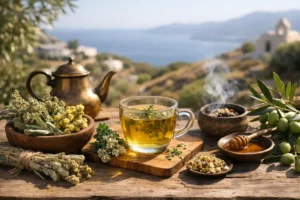
The mountain tea is rightly at the center of this shift. Its aromatic purity, its subtle earthy intensity and its connection to Greek nature make it much more than a nostalgic choice. It can stand naturally in a modern gastronomic experience, warm in winter or frozen in the months when the city calls for coolness.
Authenticity, however, is not a fancy word. It is evident in the raw material, the transparency of the recipe and the balance of flavor. A drink with real herbal extract has depth and duration. It does not try to impress with excessive sweetness, because it already has something substantial to say.
Herbal ice tea comes of age
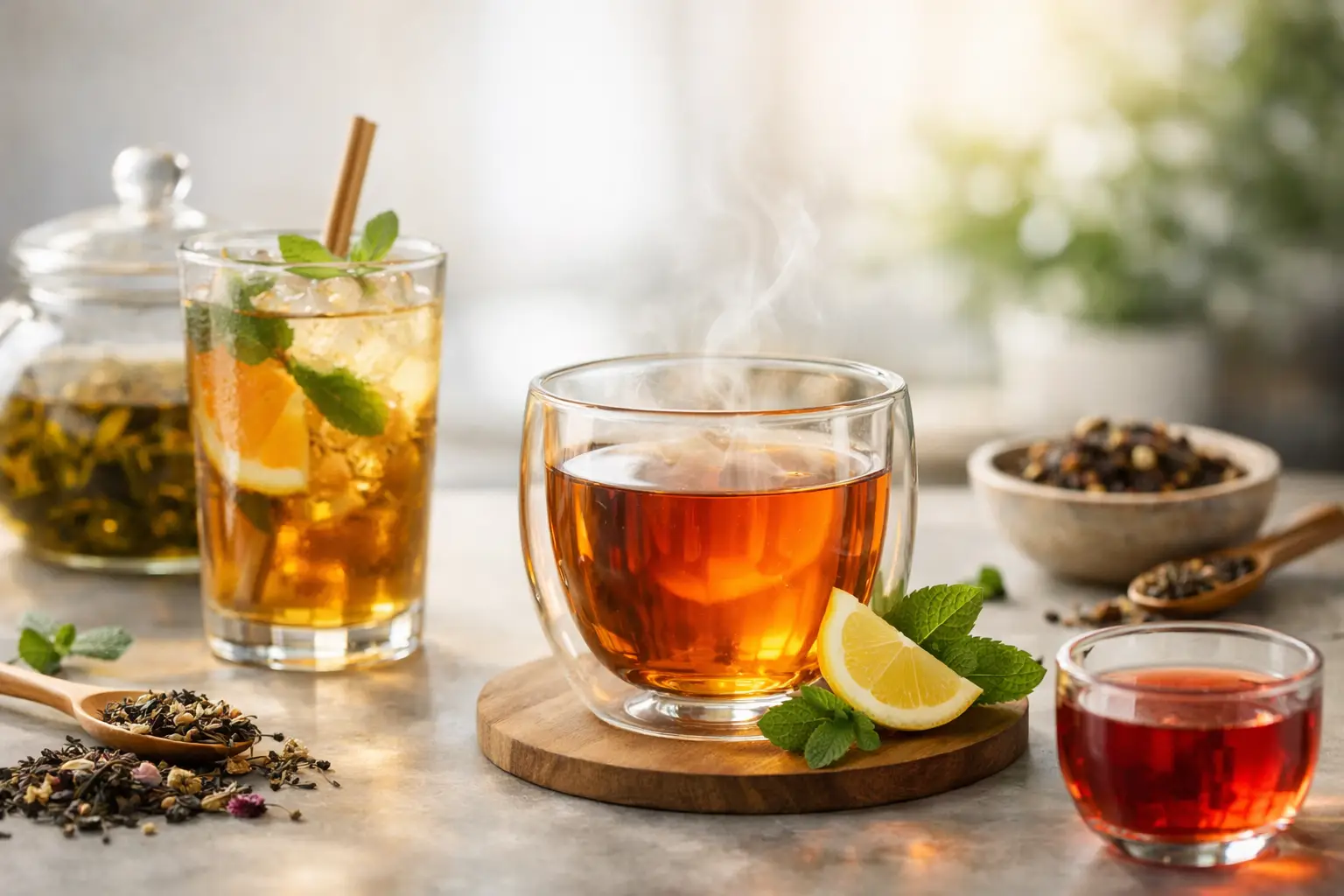
Ready-to-drink iced tea is entering a new phase. Premium herbal iced tea is no longer seen as a soft drink substitute, but as a standalone category with a gastronomic position. The difference lies in the details: less fuss in the composition, more real herbs, a cleaner aftertaste and an aesthetic that respects the content.
There’s a useful distinction here. Not all iced tea is the same, even if the label uses similar words. In many conventional products, the experience is based primarily on sweeteners and flavorings, with the tea or herb itself playing a secondary role. In the new premium approach, the recipe starts with the extract. The flavor follows its natural course, without masking it.
This doesn't mean that every drink has to be austere or simple. Indulgence remains essential. It does mean, however, that sweetness needs moderation and aromatic intensity needs truth. A well-made herbal iced tea can be refreshing, complex, and enjoyable without tiring the palate.
The taste becomes quieter, not weaker
One of the most interesting changes is the move away from flashy flavors. Consumers are gradually being trained to recognize the difference between an aggressive aroma and a drink with natural aromatic development.
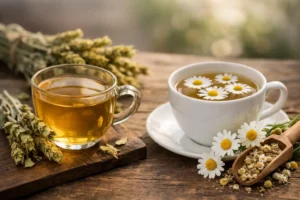
In Greek herbs, this subtlety is an asset. Sage, verbena, chamomile, mint and mountain tea do not need exaggeration to have a presence. They need proper selection, care in extraction and space to express themselves. Their taste is reminiscent of a landscape: a hillside, a summer morning, a garden after the heat.
Sustainability is no longer a detail
Quality doesn't stop at the content. Tea trends are increasingly linked to the way the product reaches the consumer. A premium experience based on natural raw materials, but ignoring its packaging, seems half-baked.
The biodegradable tea pyramids express this more mature attitude. They offer space for leaves and herbs to grow in the water, while answering a fundamental question about the materials we use every day. This is not a trend that exists just to look right. It is a design choice with practical meaning.
Of course, sustainability is not judged by a single element. The origin of ingredients, the shelf life of the packaging, the recyclability, local production and the overall honesty of the brand all play a role. The conscious consumer is not looking for perfection in a slogan. He is looking for evidence of consistency.
From the shelf to hospitality
Tea is also gaining a new presence in HORECA spaces. A hotel, a restaurant or a modern café does not need to simply offer a large list of drinks. It needs to create moments that the visitor remembers. There, the Greek herb can function as a small ambassador of the place.
At a boutique hotel breakfast, a thoughtful pyramid of Greek organic herbs communicates care without fuss. In a café, a premium herbal iced tea can accompany light dishes, offer a sophisticated non-alcoholic option, or become the refreshing suggestion unlike any other. In a restaurant, the right botanical choice can close the meal with purity.
Success, of course, depends on the context. A strongly aromatic blend may suit an afternoon meeting point, while a delicate mountain tea may stand out better next to a breakfast or a simple Greek dessert. There is no right choice. There is a choice that suits the character of the space and its audience.
Design as part of taste
In the premium category, packaging is not just a wrapper. It is the first narrative of the product. It conveys origin, care, aesthetics and expectation before the box or bottle is even opened. For a product with a Greek identity, design has the difficult mission of speaking about tradition without being trapped in the expected.
Modern Greekness does not need stereotypes. It can be clean, bold, cultured and international. It can borrow from the geometry, light and botanical heritage of the country, without losing its modern line. When the product is meticulous, its image must have the same precision.
That's why consumers are turning to brands with a clear vision. They're not just buying a flavor. They're choosing an item they want to keep on their desk, give to a guest, or place on a hospitality table.
Greek botanical identity as a choice for the future
The greatest opportunity for Greece lies not in imitating international trends, but in interpreting them through its own flora. The global search for naturalness, quality and authentic flavors meets here a place with rare botanical abundance and a deep cultural connection to herbal teas.
Tea Odyssey expresses this direction with a proposal that brings to the fore Greek organic herbs, biodegradable pyramids and premium herbal ice tea. Not as a memory of an old habit, but as a modern experience with a clear identity.
The next cup or glass is worth choosing with curiosity. Seek out the herb that shaped it, the place that gave birth to it, and the flavor that lingers after the first sip. That's where the most meaningful journey of tea begins.