Iced tea is not just a refreshing answer to a hot afternoon. It is a choice of flavor, origin and rhythm. It can be a colorless, overly sweet beverage that simply borrows the name of tea. But it can also be a pure, aromatic experience, where mountain tea, sage, mint or hibiscus take center stage.
For those looking for more than a momentary refreshment, the difference lies in the glass before it even appears on the palate. In the color that doesn't scream artificial. In the aroma that reminds of herbs and not aromatics. In the aftertaste that remains clean and invites you to the next sip.
What makes an iced tea truly special?
The word «tea» covers many different realities. On the market, many ready-made beverages are based primarily on water, sugar, acids and flavors, with little actual extract. They offer instant sweetness, but rarely have depth, character or connection to the raw material.
A quality herbal ice tea follows a different path. It starts with herbs with an identity, with careful extraction and with a recipe that doesn't try to cover everything with sugar. Its taste is calmer, more multi-layered and often more recognizable. You don't have to guess whether you're drinking verbena, mint or mountain tea. You get it.
This doesn’t mean that every iced tea has to be harsh or bitter. Balance is key. A natural acidity can brighten the aromas of the herbs, while a subtle sweetness can round out the flavor without overwhelming it. The goal is not to lack enjoyment, but to have true flavor.
Greece in a frozen sip
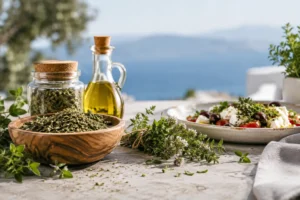
The Greek herbs They have learned to grow in places with bright light, dry air and rocky soil. These conditions give their leaves and flowers a special aromatic density. That's why a drink based on mountain tea doesn't just convey a taste. It conveys a sense of place.
Mountain tea offers a soft, herbal warmth even when served chilled. Verbena brings bright, lemony notes. Sage has a more earthy and complex character, while hibiscus adds color and lively acidity. When these elements are combined in moderation, the result has a clear Greek signature without becoming predictable.
This is where the difference lies between a drink with a story and a generic «lemon» or «peach» flavor. The raw material does not function as decoration on the packaging. It is the core of the recipe. Its origin, the season of collection and the way it is processed shape what the consumer ultimately perceives.
Why clean composition matters
A short, understandable composition is not just an aesthetic preference. It shows that the product has confidence in its raw materials. When the real herbal extract is at the center, it doesn't need to hide behind strong aromas or excessive sweetness.
For the consumer, this means a more honest experience. For a HORECA professional, it means a beverage that can stand with dignity next to a neat coffee, a hotel breakfast or a summer menu. Packaging matters, but the customer's return is won by taste.
How to enjoy iced tea properly
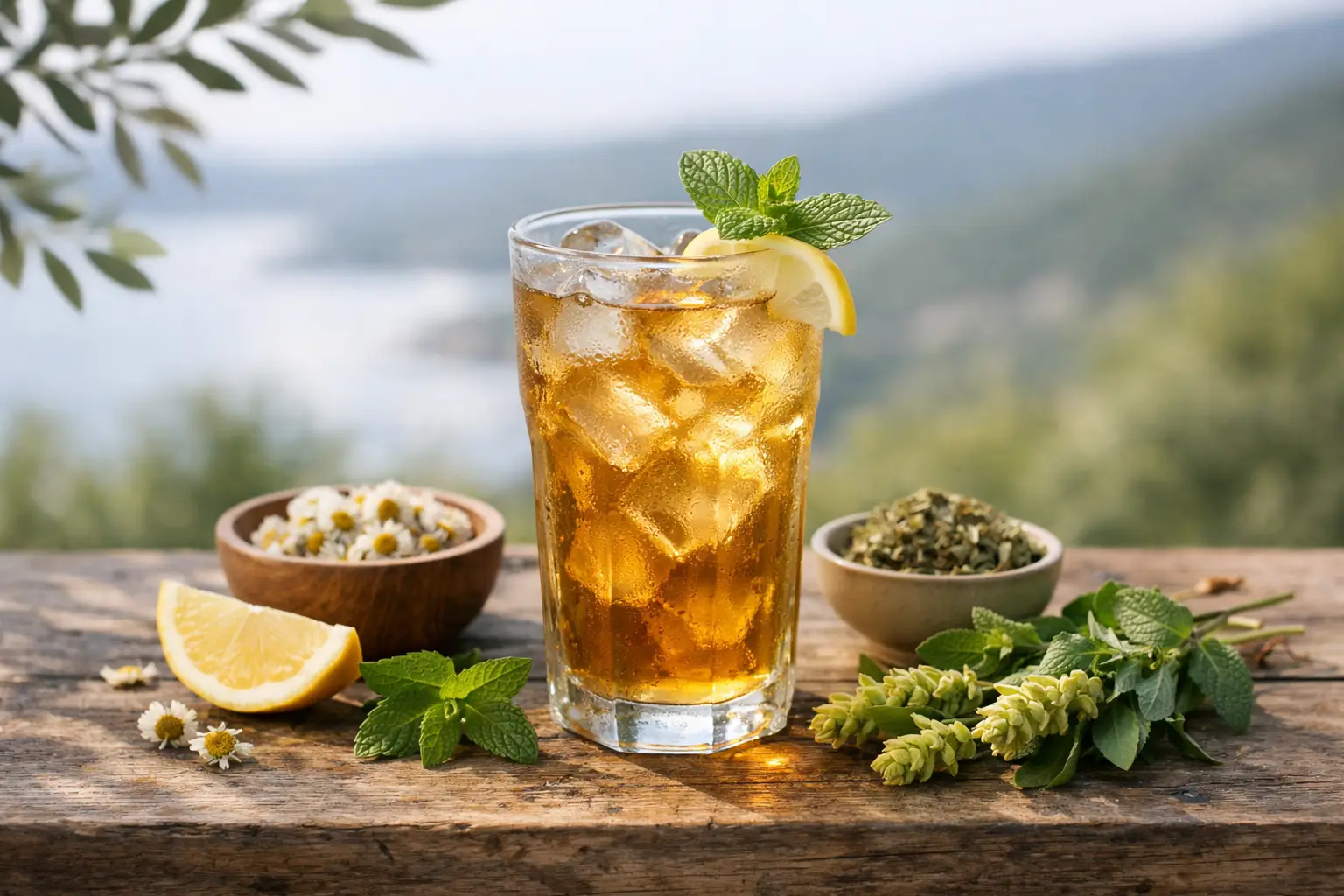
Proper serving requires no ritual, just attention. A clean, clear glass brings out the natural color of the drink. The ice should be fresh and clean, ideally in large enough pieces to chill without immediately diluting the flavor.
Temperature makes a difference. Too cold can cause a herbal drink to lose some of its aroma. Let it sit in the glass for a minute before taking the first sip. You'll find that the herbal notes come through more clearly, especially in recipes with mountain tea or verbena.
Garnishes are needed sparingly. A thin slice of lemon, a mint leaf or a few red fruits are enough, when they fit the recipe. If the garnish covers the aroma of the drink, then it ceases to serve it. The same goes for syrups: they can give a different version, but they change the character of the tea and are not always necessary.
Ready-made herbal ice tea or homemade?;
The answer depends on the moment. Home brewing has the joy of personal rhythm. You choose the herbs, control the infusion time, and adjust the sweetness to your liking. It's a great process for at home, at a table with friends, or for those who love to experiment.
But it takes the right ratio, good water, chilling time, and consistency. An over-extracted brew can become heavy or bitter, while a thin drink loses its herbal signature once ice is added.
A ready-made premium herbal ice tea offers something different: consistency. The recipe is designed so that the flavor, acidity and sweetness are balanced every time. It is the choice that fits into a demanding day, on a trip, in a hospitality setting or in a moment when quality should not depend on preparation.
Tea Odyssey approaches this category as a contemporary expression of Greek botanical tradition. With an emphasis on Greek organic herbs and mountain tea, it proposes a cold beverage that does not imitate conventional iced teas. It chooses to highlight the raw material, with premium aesthetics and packaging designed with sustainability in mind.
How to choose the best iced tea
Start from the label, without looking for complicated promises. See if the herbs or extracts that give the drink its character are clearly mentioned. Ask yourself if the sweetness serves the taste or replaces it. And pay attention to the origin: when a product talks about Greek herbs, it deserves to do so in a specific and meaningful way.
The choice also changes depending on the occasion. For an afternoon break, a light verbena drink might be suitable. For a meal, a more acidic version with hibiscus can accompany the flavors beautifully. In a hotel or restaurant, a herbal iced tea with a clear identity, it offers visitors an authentic Greek alternative to ordinary soft drinks.
Good iced tea doesn't ask to be drunk in a hurry. It gives you a little space in the day to recognize the aroma of an herb, the freshness of ice, and the taste of a place that continues to speak with simple, pure ingredients.