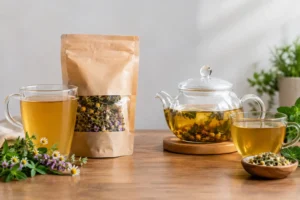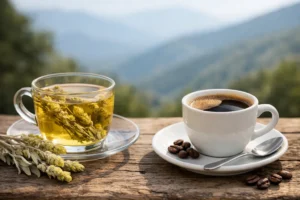

The daily break doesn't have to be the same every day. It can have the clean, mountain aroma of mountain tea, the bright tartness of lemon, or the peaceful presence of chamomile. best herbs for daily drink They are not just the ones we know from the family cupboard. They are the ones that fit the rhythm, the taste and the little rituals of our day.
For the modern city dweller, a herbal tea is more than just a warm cup. It is a brief return to the raw material. An opportunity to choose real leaves, flowers and fruits, instead of vague aromas, excessive sweetness or drinks without botanical character. The Greek land offers a rare palette of herbs, with aromas born between rocky slopes, clear light and salty air.
What are the best herbs for a daily drink?;
There is no single right answer. It depends on when you drink the beverage, whether you want it hot or cold, and whether you are looking for earthy softness, coolness, or a more lively intensity. For everyday enjoyment, it is worth preferring herbs with a clean flavor profile, a pleasant natural aftertaste, and an origin you can trust.
Mountain tea: the pure Greek starting point
The mountain tea, or sideritis, is perhaps the most characteristic choice for an everyday Greek drink. Its aroma is subtly floral and earthy, with a sense of freshness that does not tire. It is pleasantly drunk neat, with a little honey or with a thin slice of lemon, without losing its character.
Its value also lies in its simplicity. It doesn't need to be covered up by strong aromas or sweeteners to gain interest. It is an herb that stands confidently in the cup and conveys something of the Greek mountainous nature, whether you enjoy it on a quiet morning or as a refreshing herbal iced tea in the afternoon.
Chamomile: the gentle, floral choice
Chamomile has been associated with the quieter hours of the day, and rightly so. Its velvety floral flavor makes it ideal for an evening routine or for times when you want a stress-free drink. A good chamomile is not flat. It retains the natural sweetness of the flower, has a clear color and leaves a delicate, almost honeyed aftertaste.
Because it is so familiar, it is often underestimated. But the difference between a neat, whole flower and an odorless, overly crushed blend is immediately noticeable. The quality is already evident in the aroma that emerges as soon as the herb meets water.
Mint and spearmint: freshness with character
Peppermint offers a clean, cool intensity, while spearmint is rounder and sweeter. Both options work great throughout the day, especially after a meal or as a base for a cold, iced drink. The difference is subtle but significant: peppermint has a sharper, cooler top note, while spearmint leaves a greener, lighter feel.
Here, moderation is needed in the extraction time. If the leaves are left in very hot water for too long, the flavor can become too strong. For an everyday cup, the goal is freshness, not aggression.
Louisa: lemony purity without exaggeration
Verbena is one of those herbs that instantly brings a sense of brightness. Its aroma is reminiscent of lemon, but it doesn't have the acidity of the juice. This makes it versatile: it goes well in a hot infusion, is wonderfully refreshing with ice, and combines harmoniously with mountain tea, mint, or a little citrus peel.
For those who are used to adding sugar to their drinks, verbena is an interesting alternative. Its naturally aromatic dimension creates fullness in the taste, without requiring intense sweetness. Thus, the drink remains clean and light.
Sage: deeper flavor for select moments
Sage has a more complex and powerful personality. It is herbal, slightly resinous and full of Mediterranean memories. It is not necessarily the first choice for those who prefer very mild drinks, but it offers depth to a daily routine that needs variation.
It works best when prepared sparingly. A small amount, a short infusion and, if desired, a hint of lemon are enough to make it stand out without being overpowering. Its intensity is precisely why it is more suitable for specific times of the day and not necessarily for continuous consumption throughout the day.
Quality starts before the cup
The name of the herb is just the beginning. Two infusions from the same plant can differ dramatically, depending on how it is grown, harvested, dried, and stored. The organic Greek herbs, when they come from careful cultivation and are properly standardized, they retain their aromatic elements more clearly and more accurately describe their place.
Look for visible pieces of leaves and flowers, a natural aroma, and clear ingredient listings. A quality blend doesn't need to hide behind vague descriptions. Its composition should be easy to read, its flavor consistent, and its packaging should protect the raw material without unnecessary bulk.
This approach is at the core of Tea Odyssey: Greek organic herbs, biodegradable pyramids, and recipes that treat the brew as an experience of origin, not as yet another flavored mass-produced beverage.
Hot, cold or alternating?;
The same herb can completely change face depending on the temperature. Hot, mountain tea shows its honeyed and floral side. Cold, it becomes crisper and more refreshing. Verbena and mint are natural choices for iced drinks, especially when you want something with a strong aroma but without the feel of a conventional soft drink.
For cold brewing, prepare the infusion a little more concentrated and let it cool before adding ice. This will not dilute the flavor too much. If you prefer a gentler extraction, leave the herbs in cold water in the refrigerator for several hours. This method gives a quieter, velvety result, ideal for verbena, chamomile and mountain tea.
How to build a daily herbal habit
You don’t have to decide that there is one «right» herb. A more enjoyable approach is to let the day dictate the choice. In the morning, you might call for the bright clarity of verbena or mountain tea. After lunch, mint or spearmint provide a refreshing boost. In the evening, chamomile offers a gentler transition.
Keep the flavor clean, too. Honey, lemon, or a thin slice of orange peel can complement a concoction, not overwhelm it. When the raw material is good, it doesn't need staging to stand out.
If you are taking medication, are pregnant, or have any special sensitivities, it is wise to seek the advice of a healthcare professional before systematically incorporating specific herbs into your diet. Natural origin does not mean that every option suits everyone in the same way.
The best daily habit is ultimately the one that makes you stop for a few minutes and pay attention to what you're drinking. Choose an herb with true origins, prepare it with care, and let each sip take you a little closer to the Greek landscape.