
How to choose tea for horeca is not a detail on the menu. It is a decision that is seen at a hotel breakfast, at the end of a thoughtful meal, in the first impression of a guest who asks for something warm and real. Where a lackluster bag goes unnoticed, a thoughtful brew can transform a simple order into a small hospitality ritual.
For a HORECA space, tea doesn’t need to compete with coffee. It needs to have its own place, with a clear identity, an aroma that reaches the table and a story that staff can tell with naturalness. The right choice unites raw material, functionality and aesthetics, without asking your team more than they can deliver in a full shift.
The raw material is the beginning of experience
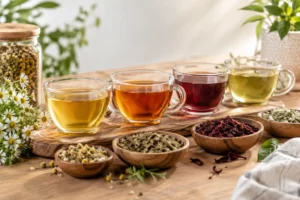
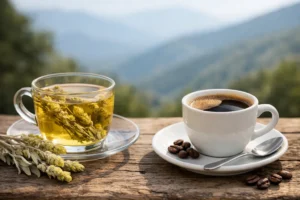
The quality of tea starts long before the cup. It starts with the origin, the harvest, the drying method and the care with which the herbs are combined. In a catalog that wants to stand out, vague flavors and strong artificial aromas are not enough. The visitor is looking for something to recognize: the pure aroma of mountain tea, the cool intensity of mint, the earthy calm of chamomile, the brightness of Greek citrus fruits.
The Greek organic herbs offer a special advantage. They don't just act as a sign of quality. They convey a place. For a boutique hotel, a modern café or a restaurant serving Greek cuisine, this connection to the landscape and seasonality gives the menu a depth that is not easily replicated.
The word «premium,» however, must be proven in the cup. Ask for samples and taste them exactly as they will be served in your space. Consider the aroma before extraction, the color of the drink, the purity of the flavor and the aftertaste. A good brew doesn’t need to be covered in sugar, honey or lemon to have character. It can accept them as options, but it also stands on its own.
How to choose tea for HORECA based on the concept
There is no one right collection for all venues. The choice depends on the time of consumption, the audience, the gastronomic identity and the pace of service. A hotel with international guests needs choices that are easy to understand, but also a clear Greek proposition that will be remembered. A restaurant may be looking for herbal teas that complete a meal, while an all-day café needs flavors that work equally well hot and cold.
Too much variety often hinders rather than enhances the experience. A short, curated list is worth more than dozens of illogical codes. Consider a balanced selection: a pure mountain tea, a relaxing herbal blend, a refreshing option with mint or verbena, and a fruitier suggestion for those who want intensity and color.
Seasonality also deserves space in design. In winter, warmer and more aromatic compositions can become part of the atmosphere of the space. In the warmer months, the herbal iced tea They offer a clean alternative to soft drinks and conventional iced teas, which often rely more on sweetness than actual extract. The same botanical identity can thus accompany the customer from breakfast to afternoon aperitivo.
Your audience determines the menu language
On the menu, avoid descriptions that simply say «green,» «black,» or «herbal.» Give the guest a reason to choose. A brief reference to the Greek origin, the main herb, and the flavor profile is enough to give direction without overwhelming the menu.
For example, a reference to «organic mountain tea with a soft, honeyed aftertaste» is more vivid than a generic title. The description is not decoration. It is part of the sale and helps staff recommend with confidence.
Ease of extraction protects quality
The best blend loses its value if it is not prepared properly. In the reality of HORECA, consistency is of utmost importance: the same drink must be equally aromatic at 8 in the morning and at 11 at night, regardless of who is behind the bar or in the room.
High-quality biodegradable pyramids facilitate this consistency. They allow larger pieces of herbs to grow in the water, offer a better visual presence, and reduce preparation time compared to loose tea. For high-volume venues, this balance between ritual and speed is crucial.
Check the recommended brewing time and make sure it is easy to follow. A small timer, a clear preparation card or a brief team training is enough to protect the result. Over-extracted tea can become bitter, while hasty brewing leaves the flavor flat. Precision here is not meticulousness. It is respect for the raw material.
The packaging speaks before serving
In hospitality, the guest evaluates with all of their senses. The packaging, the cup, the teapot, and the presentation shape the perception of value before they even take the first sip. A well-designed individual tea bag or premium pyramid immediately conveys a sense of care, especially in hotel breakfasts, meeting rooms, and waiting areas.
Sustainability adds substance to this image, when it’s not treated as a slogan. Biodegradable materials, carefully selected packaging, and fewer unnecessary elements show that the experience has been designed responsibly. Many guests won’t ask about it, but they’ll appreciate it when they notice it.
Tea Odyssey expresses this logic with pyramids of Greek herbs and premium herbal ice tea that bring mountain tea and modern Greek botanical culture to the hospitality table. This is not just another beverage option, but a proposition with recognizable origin and presence.
Calculate cost as value, not just purchase price
Price per item is useful, but it’s not enough to judge a purchase. You need to look at the total cost and overall performance: how many servings it yields, how easy the product is to store, how much training it requires, and what price point it can support on the menu without looking excessive.
A cheaper tea that requires additives to gain interest or leaves the customer indifferent is not necessarily more economical. On the contrary, a unique brew can create repeat demand, increase average spend, and act as a point of differentiation in a space where many things look the same.
Also pay attention to availability. A reliable partner should be able to support consistent deliveries, appropriate professional packaging, and codes that meet your needs without unnecessary complexity. Quality requires continuity, not sporadic appearances in the catalog.
Give staff a simple story to share
The most beautiful tea selection is silent, if the group doesn't know what it's serving. No need for long presentations. Just two or three clear sentences: where the herb comes from, what its flavor profile is, and what moment it's suitable for.
When the waiter suggests a Greek after-dinner drink or an herbal iced tea as a refreshing, less conventional option, he’s not pushing the sale. He’s guiding the guest toward an experience that fits their moment. This knowledge makes the difference between a product that simply exists and a product that is sought after.
The selection of tea for HORECA deserves to be treated as a matter of care: as a small collection of flavors that conveys the character of your space in every cup. Choose one that has a pure origin, works flawlessly in daily service and leaves the visitor with the feeling that, for a few minutes, they traveled to a Greek botanical place.