
The aroma of mountain tea rising from a hot cup is not just a pleasant habit. It is a memory of place: rocky slopes, clean air, sun and the knowledge of the Greek land. Botanical drinks acquire another value when they start from this true origin and are not limited to a general promise of "natural" taste.
For the modern consumer, choosing a beverage is often a small statement of quality. They want clean composition, recognizable ingredients, a flavor with character, and an experience that stands equally well in the office, at home, in a hotel, or at a restaurant table. The difference lies in the details: in the herb chosen, in the way it is extracted, and in whether the flavor that reaches the glass has a real relationship to the raw material.
What makes herbal drinks special?
The term herbal drinks covers a large family of options. In the realm of herbal teas and iced teas, the essence lies in the leaves, flowers, fruits and aromatic plants that give the water its own signature. Mountain tea, sage, mint, verbena, chamomile and dittany are not just words on a label. Each has a different aromatic intensity, body and aftertaste.
A quality herbal drink doesn't need to shout. Its identity is seen in the clarity of flavor. Mountain tea, for example, brings a mild, earthy and herbal feel. Mint adds freshness and a clean finish. Verbena moves brighter, with lemony notes. When the raw materials are properly selected, the result is balanced without hiding behind excessive sweetness or heavy aromas.
Quality, of course, doesn't mean that every drink has to have the same intensity. Some seek a subtle everyday flavor, others want a more expressive cold drink to accompany food or a summer outing. The right choice depends on the moment, as long as the base is honest.
From the Greek herb to the cup
Greece has a rare botanical geography. The relief, the microclimate and the great sunshine give the herbs a special aromatic depth. This natural heritage is not a decorative element in the storytelling of a product. It is the starting point of its flavor character.
Origin matters for another reason: it allows for greater transparency. When we know which herb is used and where it comes from, we can better understand what we are drinking. Organic farming, where practiced consistently, adds an essential criterion for those who consciously choose the raw materials in their daily lives.
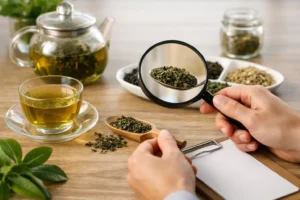
In herbal teas, processing is as crucial as harvesting. Careful drying helps preserve natural aromas. Proper cutting of the herb allows for even extraction. And packaging must protect the contents without becoming an unnecessary burden on the environment. The biodegradable tea pyramids, for example, offer space for herbs to open up in the water, while expressing a more conscious approach to packaging.
The value of the actual extract
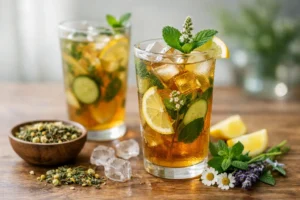
In ready-to-drink iced drinks, the difference between an herbal ice tea and a conventional «tea-flavored» soft drink can be big. The former starts from real herbal extract. The second may be based mainly on sweetness, aromatic substances or a vague taste impression that hardly resembles the authentic raw material.
The actual extract is not a detail for experts. It is what gives the flavor length, natural complexity and a finish that doesn't tire. It doesn't mean that every frozen herbal drink has to be unsweetened. It does mean, however, that the sweetness should accompany the herb, not drown it out.
Tea Odyssey follows exactly this path: it transfers the character of Greek herbs to premium herbal teas and herbal ice teas, with mountain tea taking center stage. It is a proposal that treats iced tea as an authentic beverage and not as a cheap alternative to soft drinks.
How to choose herbal drinks with criteria
The label is the first sign of a good choice. Look for clear references to herbs and not just general terms. See if the product explains its composition, if it mentions extract where it is a ready-to-drink drink, and if its flavor is based on recognizable raw materials.
Sugar content is also something to consider, especially in ready-made iced drinks. There is no one-size-fits-all answer. A person who chooses a drink as an accompaniment to a meal may prefer a different sweetness than someone who wants a cool break during the day. The point is not to present excess as naturalness.
Consider the packaging too. For home use, a pyramid-shaped infusion can offer a little preparation ritual and freedom in brewing time. For on-the-go, office, or beach use, a ready-made herbal iced tea is more practical. In HORECA, the choice takes on another dimension: the drink must have consistent quality, good presentation, and a story that the visitor can recognize.
Hot or cold? The moment determines the path
A hot brew brings out different levels of aroma. The water doesn’t always have to be boiling hot for all herbs, as too much heat can harden some notes. Allow the herb to infuse patiently and taste before adding anything. Often, a squeeze of lemon or a little honey is enough to change the experience without overpowering its character.
In cold drinks, balance is more demanding. Ice reduces the sensation of sweetness and aromatic intensity, so the recipe needs a clear structure. A good herbal ice tea remains recognizable even when very cold. It doesn't just leave a coolness – it leaves a memory of taste.
Seasonality should not limit enjoyment. Mountain tea can become a calm winter morning habit, but also a refreshing accompaniment to a summer meal. The same raw material, with a different temperature and serving, opens up two completely different paths.
A more meaningful place on the daily table
Herbal drinks don't have to appear only as an "alternative" when we want to avoid something else. They can have a leading role: as hospitality in a hotel room, as a thoughtful choice in a café, as a refreshing suggestion next to a Mediterranean dish, or as a personal break between two demanding hours.
The real luxury here is not in excess. It is in recognizing the origin, feeling the herb clearly, and choosing a drink that has a reason for being. Every sip can become a brief wander through Greek nature – as long as it starts there.